Myo-Inositol Products for PCOS
Myo-Inositol Products for PCOS: Benefits, Ingredients and Nutritional Support
Myo-Inositol products for PCOS are dietary supplements that may be considered as part of an individual care plan for polycystic ovary syndrome. They are often marketed for support with insulin signaling, menstrual cycles, or reproductive health. However, research is still developing, and these products do not cure PCOS or replace medical care.
Understanding the ingredients, the limits of current evidence, and the questions to ask a healthcare professional can help you make a more informed choice. This guide explains what myo-inositol is, how it differs from D-chiro-inositol, what may be included in combination products, and how supplements fit into broader PCOS management.
Understanding PCOS and Its Common Symptoms
What is Polycystic Ovary Syndrome?
Polycystic ovary syndrome (PCOS) is a common hormonal and metabolic condition. It can affect menstrual cycles, ovulation, skin and hair, and the way the body processes insulin. PCOS presents differently from one person to another, and not everyone experiences the same symptoms.
Despite its name, ovarian cysts are not required for a PCOS diagnosis. A clinician generally considers a person’s symptoms, medical history, examination, and—when appropriate—blood tests or ultrasound findings. Other possible causes of similar symptoms may also need to be ruled out.
Common symptoms and associated health concerns
PCOS symptoms can change over time. They may include:
-
Irregular or infrequent periods, or periods that are absent for a time
-
Acne or oily skin
-
Excess facial or body hair, known as hirsutism
-
Thinning hair on the scalp
-
Difficulty with ovulation, which may affect fertility for some people
-
Weight changes or difficulty managing weight for some, though PCOS can occur at any body size
PCOS is also associated with a greater likelihood of certain metabolic concerns, including impaired glucose regulation. A healthcare professional can advise whether screening is appropriate based on an individual’s health history and risk factors.
The role of insulin resistance in PCOS
Insulin helps move glucose from the bloodstream into cells. With insulin resistance, cells respond less effectively to insulin, so the body may produce more of it to maintain blood glucose levels. Insulin resistance is common in PCOS, but it does not affect everyone with the condition.
Higher insulin levels may influence ovarian hormone production in some people. This is one reason researchers study insulin-sensitizing approaches—including lifestyle measures, prescribed treatments, and nutritional supplements—in PCOS care. A supplement should not be assumed to treat insulin resistance without medical assessment.
What Is Myo-Inositol and How Does It Work?
A closer look at myo-inositol
Myo-inositol is one form of inositol, a naturally occurring substance found in the body and in foods. It contributes to cell signaling, including pathways involved in insulin action. It is sometimes grouped with vitamin-like compounds, but it is not a vitamin.
Myo-inositol supplements are available on their own or alongside other ingredients. Formulations differ, so the amount and type of each ingredient should be checked on the product label.
Myo-inositol and insulin signaling
Inositols are involved in cellular signaling processes. Because insulin resistance and altered insulin signaling may be relevant to PCOS, researchers have investigated whether myo-inositol supplementation could support certain metabolic or reproductive outcomes.
The evidence is not definitive. Studies have used different formulations, amounts, and study designs, making it difficult to determine which people may benefit or what regimen is appropriate. The 2023 international evidence-based PCOS guideline advises that inositol may be considered based on individual preferences, while noting that the evidence for specific benefits is limited and does not establish one preferred type, dose, or combination.
Why Are Myo-Inositol Products Used for PCOS?
Myo-inositol supplements are marketed for PCOS nutritional support, particularly for insulin signaling and reproductive health. Some research suggests possible improvements in certain measures, but results are not consistent enough to promise an outcome for an individual.
Potential areas of interest include:
-
Metabolic markers: Researchers are studying whether inositol affects measures related to insulin or glucose regulation.
-
Menstrual cycles and ovulation: Some studies report changes in cycle regularity or ovulatory function, but results vary.
-
Androgen-related measures: Research has explored changes in hormone levels and related symptoms, but evidence is not conclusive.
-
Reproductive health: Inositol is sometimes included in fertility-focused products. It should not be considered a fertility treatment or a substitute for an evaluation when pregnancy is desired.
Myo-inositol is not a cure for PCOS, and there is no guarantee that it will regulate periods, reduce acne or hair growth, support weight loss, or improve fertility. Discuss realistic goals and suitable monitoring with a clinician.
Important Ingredients Found in Myo-Inositol Products for PCOS
Some supplements contain one ingredient; others combine myo-inositol with additional nutrients or compounds. More ingredients do not automatically mean a product is more effective. Consider each ingredient in light of your health needs and any other supplements or medicines you use.
-
Myo-inositol: The primary ingredient in many inositol supplements. It is involved in cellular signaling, including insulin-related pathways.
-
D-chiro-inositol: Another form of inositol. Products sometimes combine it with myo-inositol, but research has not established a universally preferred ratio or formulation for PCOS.
-
Folic acid: A form of folate used in supplements and fortified foods. It is particularly important before and during early pregnancy, but it is not a PCOS treatment.
-
L-methylfolate: A supplemental form of folate. Its inclusion does not mean that a product is suitable for every person or that it offers a proven PCOS-specific benefit.
-
Vitamin D3: A form of vitamin D. A clinician may recommend assessment or supplementation when appropriate; the right amount depends on individual circumstances.
-
N-acetyl cysteine (NAC): A compound studied for several health applications, including PCOS. Evidence for its use in PCOS remains limited, and it should not be treated as a replacement for established care.
-
Chromium picolinate: A supplemental form of chromium. Its potential role in glucose metabolism has been studied, but benefits for PCOS are not established for everyone.
Check the Supplement Facts or equivalent label for the amount per serving, directions, allergen information, and any warnings. If you use a prenatal vitamin or another supplement, check for overlapping ingredients.
Different Types of Myo-Inositol Products for PCOS
Products are commonly available as:
-
Myo-inositol tablets or capsules: Convenient for people who prefer a measured serving in pill form.
-
Powders or sachets: Mixed with liquid according to the label. Check serving instructions and added ingredients.
-
Myo-inositol-only products: Contain fewer active ingredients, which may make it easier to review what you are taking.
-
Combination supplements: May include D-chiro-inositol, folate, vitamin D3, or other nutrients.
Products may differ in formulation, serving size, quality controls, and labeling. Avoid choosing a supplement based only on marketing statements or a claimed “ideal” ratio. Ask a healthcare professional or pharmacist to review the product if you are unsure.
How to Choose Suitable Myo-Inositol Products for PCOS
When comparing Myo-Inositol supplements for PCOS, look beyond the front of the package. Consider:
-
Ingredient composition: Identify every active ingredient and its amount per serving.
-
Your nutritional needs: Additional folate, vitamin D, or other nutrients may not be necessary if you already get them from another source or have no clinical need.
-
Quality and manufacturing information: Look for clear labeling, a named manufacturer or responsible company, batch details, and appropriate quality testing information where available.
-
Claims on the label: Be cautious of claims that a product cures PCOS, guarantees pregnancy, or promises specific results.
-
Cost and convenience: Consider whether the format and directions are practical for you.
-
Professional advice: Ask a doctor, dietitian, or pharmacist whether the formula is appropriate alongside your health history and medication.
There is no single “best” product for every person. The best myo-inositol products for PCOS are not determined by brand claims alone; suitability depends on the individual, formulation, and quality information.
Who May Consider Myo-Inositol Supplements?
A healthcare professional may discuss inositol with someone who:
-
Has received a PCOS diagnosis and wants to understand nutritional support options
-
Has questions about PCOS-related metabolic or reproductive health
-
Is comparing supplements and wants help evaluating ingredients
-
Is planning pregnancy and needs individualized guidance about supplements
Myo-inositol is not automatically appropriate for everyone with PCOS. A clinician can discuss whether it fits your goals, what evidence applies, and whether other care options should be considered.
Medical note: This article is for general information, not personal medical advice. Speak with a qualified healthcare professional before starting, stopping, or combining supplements—especially if you take medication, are pregnant, or are trying to conceive.
Important Considerations Before Using Myo-Inositol
Before starting a supplement, keep these precautions in mind:
-
Ask about dose and duration. There is no universal dosage recommendation for all people with PCOS. Follow professional guidance and the product label.
-
Review possible side effects. Some people may experience digestive discomfort or other unwanted effects. Stop taking it and seek advice if you have a concerning reaction.
-
Check for interactions or duplication. Share a complete list of medicines and supplements with your healthcare professional or pharmacist.
-
Discuss pregnancy and fertility plans. Supplement choices may need to change when trying to conceive, pregnant, or breastfeeding.
-
Do not delay medical care. Irregular periods, significant new symptoms, or fertility concerns deserve individualized assessment.
-
Keep monitoring appointments. A supplement should not replace recommended checks for menstrual, metabolic, or other health concerns.
The Role of Myo-Inositol Products in Overall PCOS Management
Supplements are only one possible part of PCOS care. Management should be tailored to symptoms, health priorities, and life stage. A healthcare professional may discuss lifestyle support, medical treatment, or other options according to individual needs.
Helpful foundations may include:
-
Balanced, flexible nutrition: Choose a sustainable eating pattern that supports overall health rather than relying on restrictive rules.
-
Regular physical activity: Movement that fits your abilities and preferences can support general and metabolic health.
-
Sleep and stress support: Addressing sleep difficulties and ongoing stress may contribute to well-being.
-
Individualized medical care: Discuss symptoms, screening, and treatment goals with a qualified clinician.
-
Realistic expectations: PCOS is a long-term condition; no single food, supplement, or lifestyle change works for everyone.
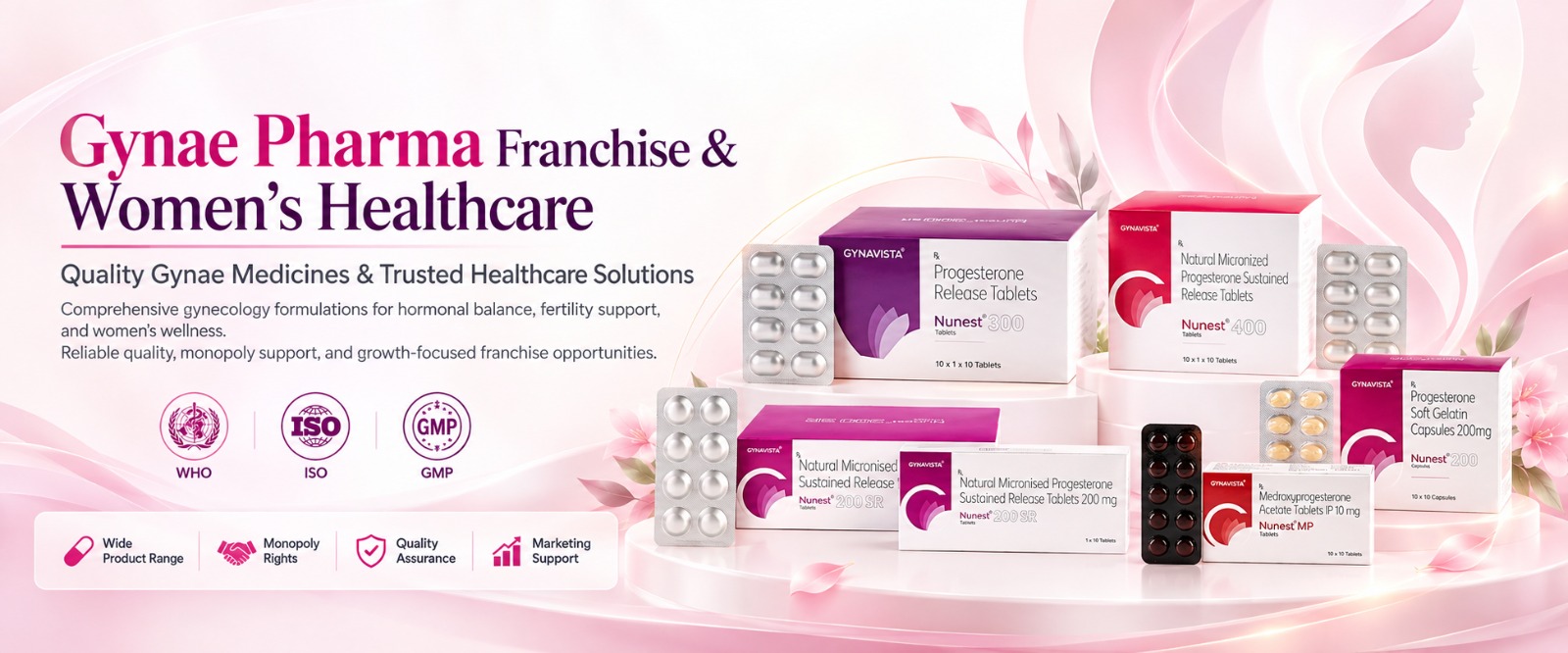
For information about women’s healthcare and Gynae PCD Pharma Franchise opportunities, visit Gynavista. Gynavista presents a Gynae pharmaceutical product portfolio for franchise enquiries; it should not be described as the manufacturer of those products. Healthcare professionals and prospective business partners can contact the company through its website for relevant enquiries.
Frequently Asked Questions About Myo-Inositol Products for PCOS
1. What are myo-inositol products for PCOS?
They are supplements containing myo-inositol alone or in combination with ingredients such as D-chiro-inositol or folate. They are marketed for nutritional support, but they do not cure PCOS.
2. How might myo-inositol support women with PCOS?
Myo-inositol is involved in cellular signaling, including insulin-related pathways. Studies have explored possible metabolic and reproductive effects, but current evidence does not guarantee a particular result.
3. What is the difference between myo-inositol and D-chiro-inositol?
They are two forms of inositol involved in different biological processes. Some products combine them, but evidence has not established one ideal ratio or product for everyone with PCOS.
4. Can myo-inositol be combined with L-methylfolate?
Some products include both. Whether that combination is appropriate depends on your health needs and other supplements or medicines. Ask a healthcare professional before adding it, especially if you are planning pregnancy.
5. Are myo-inositol supplements suitable for every woman with PCOS?
No. Suitability depends on individual health circumstances, medications, pregnancy plans, and nutritional needs. A healthcare professional can help assess whether a supplement is appropriate.
6. How long does myo-inositol take to show results?
There is no reliable timeline that applies to everyone. Research varies in design and duration, and some people may not notice a change. Discuss how and when to review its use with your clinician.
7. What ingredients are commonly found in PCOS supplements?
Products may contain myo-inositol, D-chiro-inositol, folic acid or L-methylfolate, vitamin D3, NAC, or chromium picolinate. Formulas vary, and each ingredient should be considered individually.
8. Can myo-inositol help with insulin resistance?
It is being studied for this potential role, but the evidence is not strong enough to assume it will treat insulin resistance. Seek clinical advice about assessment and appropriate care.
9. Are there side effects of myo-inositol?
Some people may experience digestive discomfort or other unwanted effects. Check the product information and seek professional advice if symptoms occur or persist.
10. Should I consult a doctor before taking myo-inositol?
Yes. This is especially important if you take medication, use other supplements, have an ongoing health condition, or are pregnant, breastfeeding, or trying to conceive.
Conclusion
Myo-Inositol products for PCOS are one nutritional-support option that some people may wish to discuss with a healthcare professional. Research has explored possible effects on insulin signaling, menstrual cycles, and reproductive health, but evidence remains limited, and results are not guaranteed.